
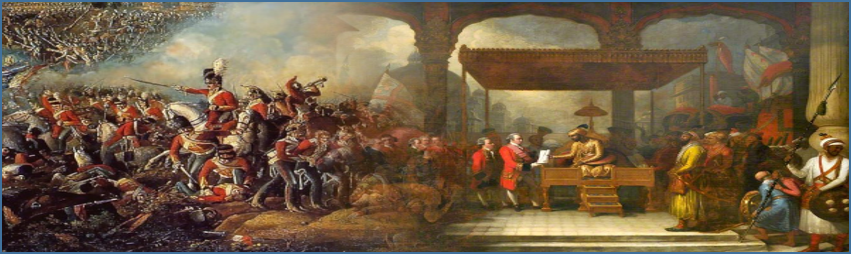
British mainly adopted three types of land tenure system
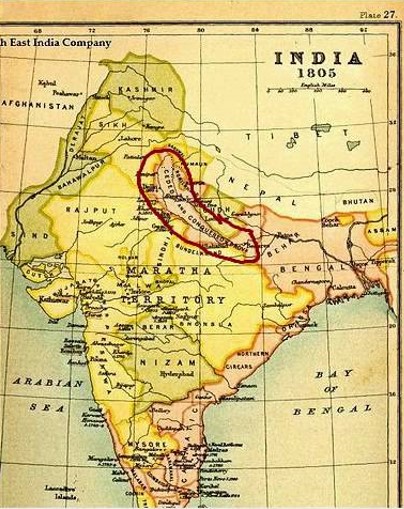
- Pernament Settlement/ Zamindari System: Roughly 19% of total area under British rule-Bengal,Orissa,Bihar,Banaras.
- Ryotwari System: Covered about 51% of the area under British Rule-Assam, Bombayand Madras presidencies.
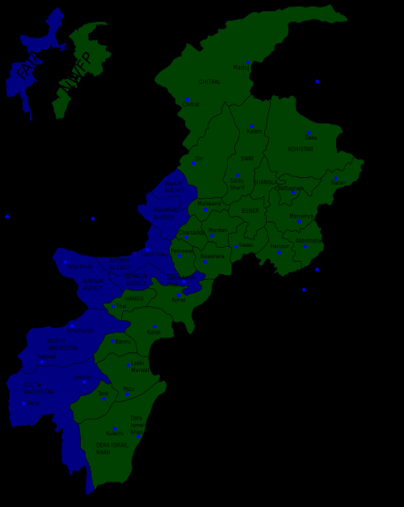
- Mahalwari System: Covered 30% of area under British Rule-major parts of NWFP(North- west Frontier province), central provinces and Punjab.
Zamindari
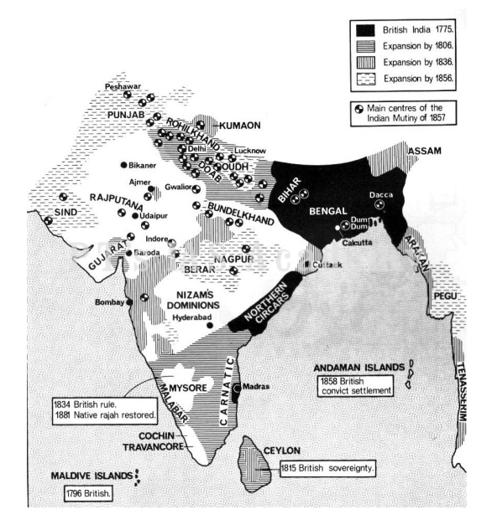
Zamindari Map
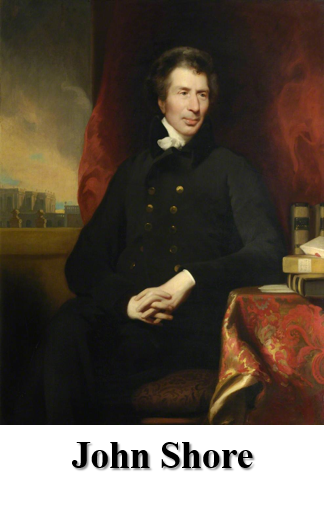
It was introduced in Bengal, Orissa, Bihar and districts of Banaras by Lord Cornwallis in 1793. John Shore planned the Permanent Settlement.
- Under the permanent Settlement, Zamindars were recognized as the owners of the land.
- The amount of revenue that the Zamindars had to pay was fixed and it was decided that it won’t be raised for the given period of time.
- The Zamindars had to pay 10/11th or 89% of the revenue collected to the East India Company while keeping the rest 1/11th or 11% to himself.
- The Zamindars were free to fix the rent.
- The ryots(Cultivators) were considered tenants/tillers of soil.
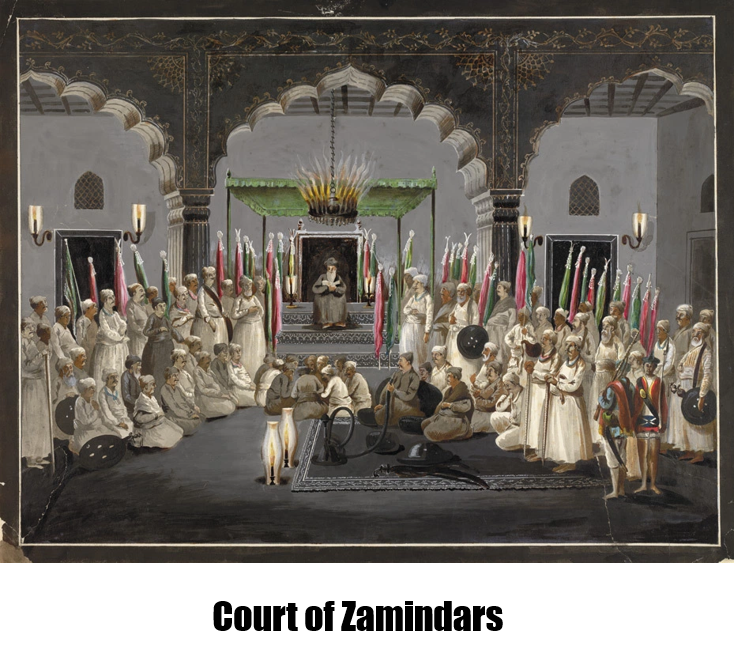
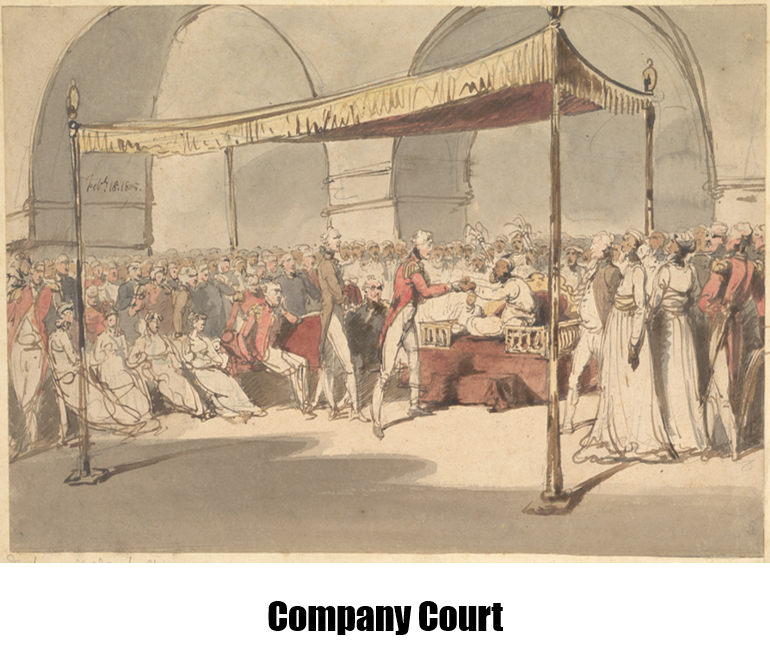
- Under Permanent settlement, Zamindars lost their administrative and judicial functions. They were performed by the company now.
- If a Zamindar did not pay fixed amounts, his property was seized and sold leading to ruin of Zamindars.
Ryotwari System
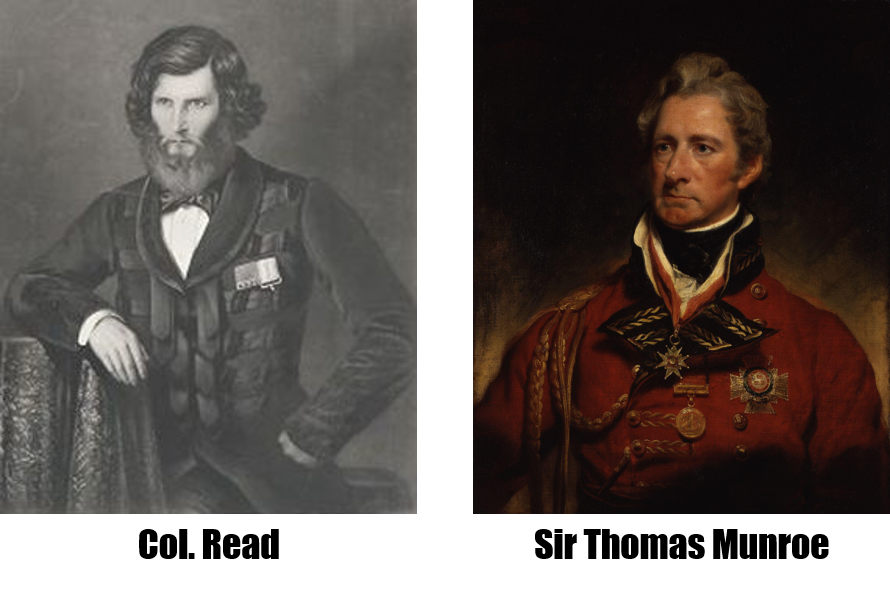
It was introduced in Bombay, Madras, Assam and Berar. It was started in 1792 by Col. Read. Sir Thomas Munroe improvised this system in 1820 in Madras. It was during the term of Lord Hastings.
- Since there were no Zamindars in South India, the company recognized the farmer as the land owner.
- Under the Ryotwari system, a direct settlement was made between the government and cultivator.
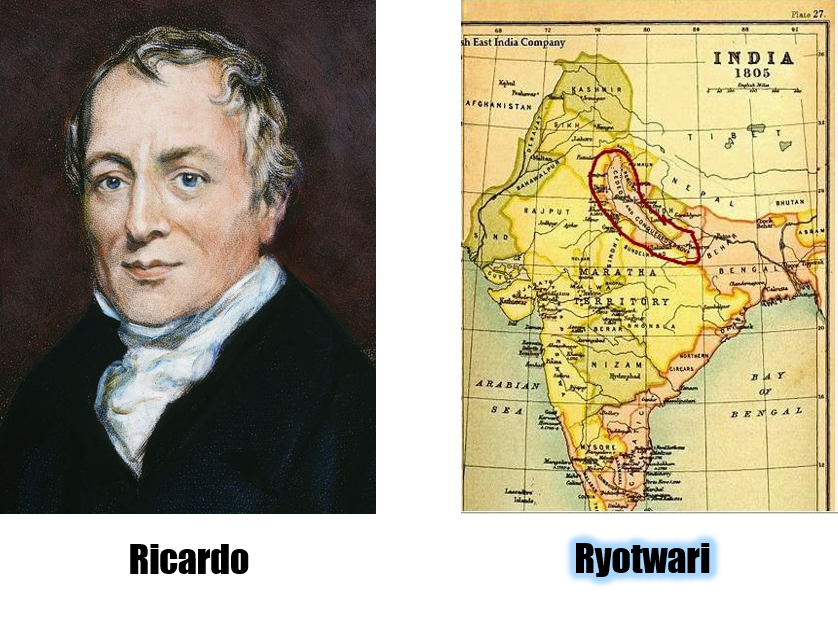
- The revenue was fixed for a period from 20 to 40 years, Where every individual was responsible for revenue.
- The revenue was fixed on the basis of quality of the soil and the nature of crop. It was based on the scientific rent theory of economist Ricardo.
- The revenue rates of Ryotwari system were 50% where the lands were dry and 60% in irrigated land.
Mahalwari System
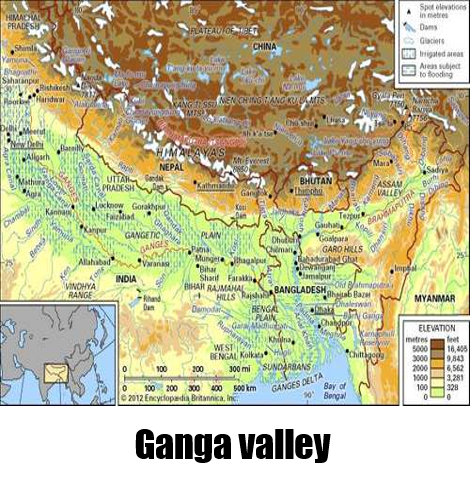
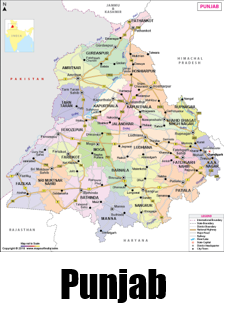
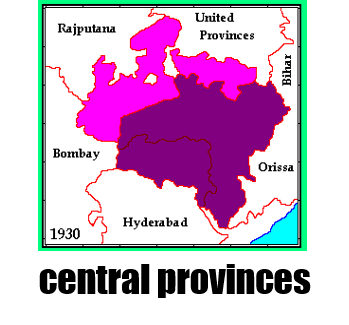
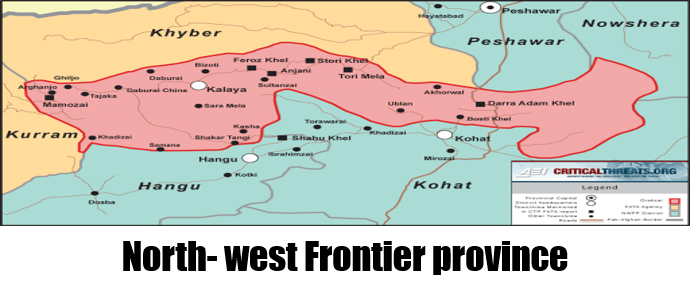
In 1833, the Mahalwari system was introduced under William Bentinck. This was basically a modified form of the Zamindari system / settlement introduced in the Ganga valley, Punjab, North-west Frontier Province, parts of central India. It was started by Holt Mc Kenzie.
- Under this system a basic unit of revenue settlement was ‘Mahal’ or ‘village’.
- The village land belonged jointly to the village community, they were responsible for payment of revenue.
- Entire land of ‘Mahal’ was measured at the time of fixing the revenue.

 MASTER LAW ACADEMY